Out of Stock
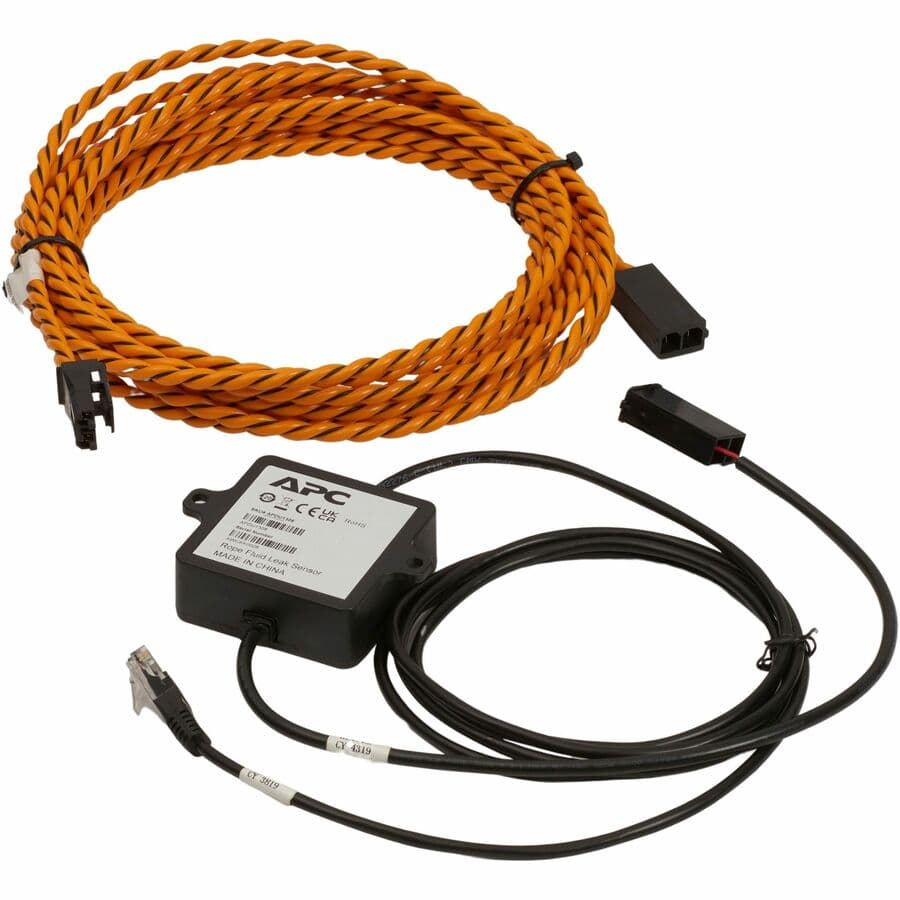
Schneider Electric AP9325 Leak Sensor 6.1 m | Water Leak Sensor
Schneider Electric
MPN: AP9325
Call for Price
Free shipping on orders over $500
Authorized Dealer — Full manufacturer warranty
Key Features
- Schneider Electric AP9325 leak sensor
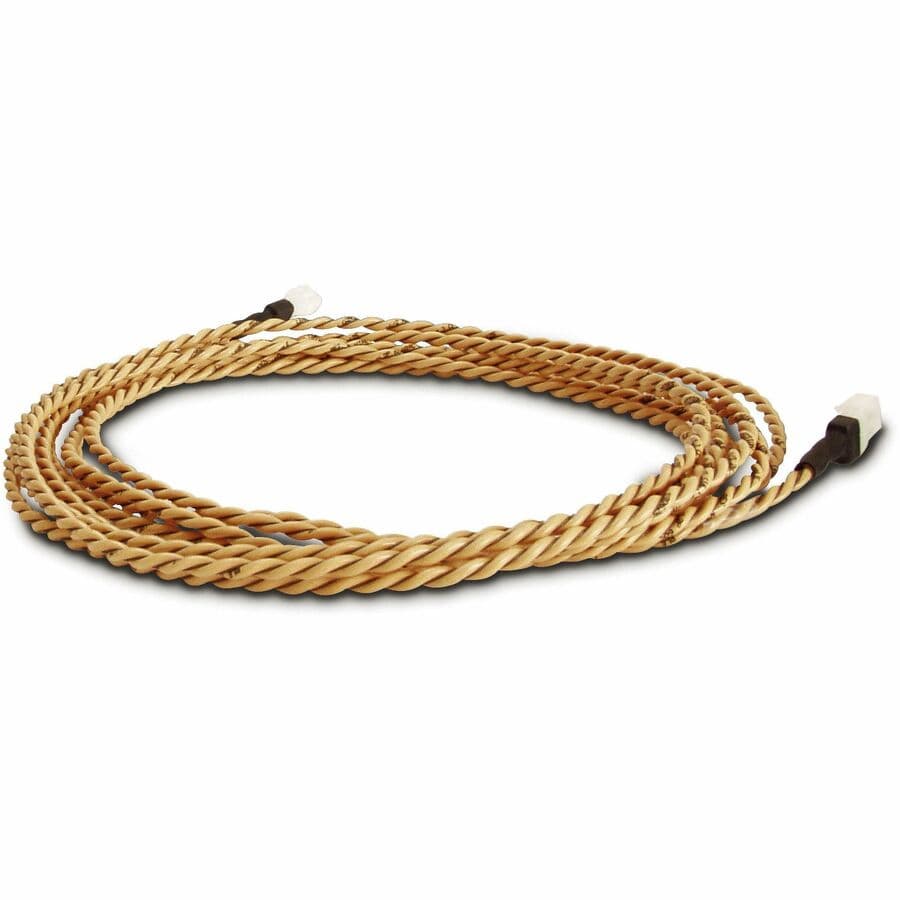
- 6.1 m (20 ft) sensing cable length
- Interface cable included
- Water leak detection for critical infrastructure
- Rope-style sensing coverage
- Designed for perimeter and floor-level monitoring
- Purpose-built environmental sensing accessory
- Detect water intrusion early with a 6.1 m (20 ft) sensing cable
Detect leaks early where they matter most: at the edge of racks, under raised floors, and along service routes that can threaten uptime. Schneider Electric AP9325 pairs a 6.1 m (20 ft) sensing cable with an interface cable, giving infrastructure teams a practical way to monitor longer runs without adding complexity.
This sensor is designed for environments where water intrusion can escalate quickly into equipment damage, service interruption, and recovery costs. The extended sensing length helps cover more surface area than short-point probes, making it a strong fit for data rooms, network closets, and adjacent utility spaces. The interface cable supports cleaner placement and easier connection within a broader monitoring setup.
For teams that value early warning over cleanup, AP9325 adds a simple layer of protection at the perimeter of critical assets. It is a focused, purpose-built detection accessory from Schneider Electric, intended to help reduce response time when moisture appears. That matters when the cost of a missed leak is measured in hardware replacement, service disruption, and lost operational confidence.
Ideal For
- Monitor raised-floor areas beneath server racks
- Detect leaks near HVAC condensate or utility lines
- Protect network closets and edge rooms from water intrusion
- Track moisture along perimeter paths in data centers
Why This Product
- 1Longer 6.1 m sensing cable than point-style probes
- 2Interface cable supports cleaner installation paths
- 3Better suited for perimeter coverage than single-location sensors
- 4Designed for critical infrastructure monitoring use